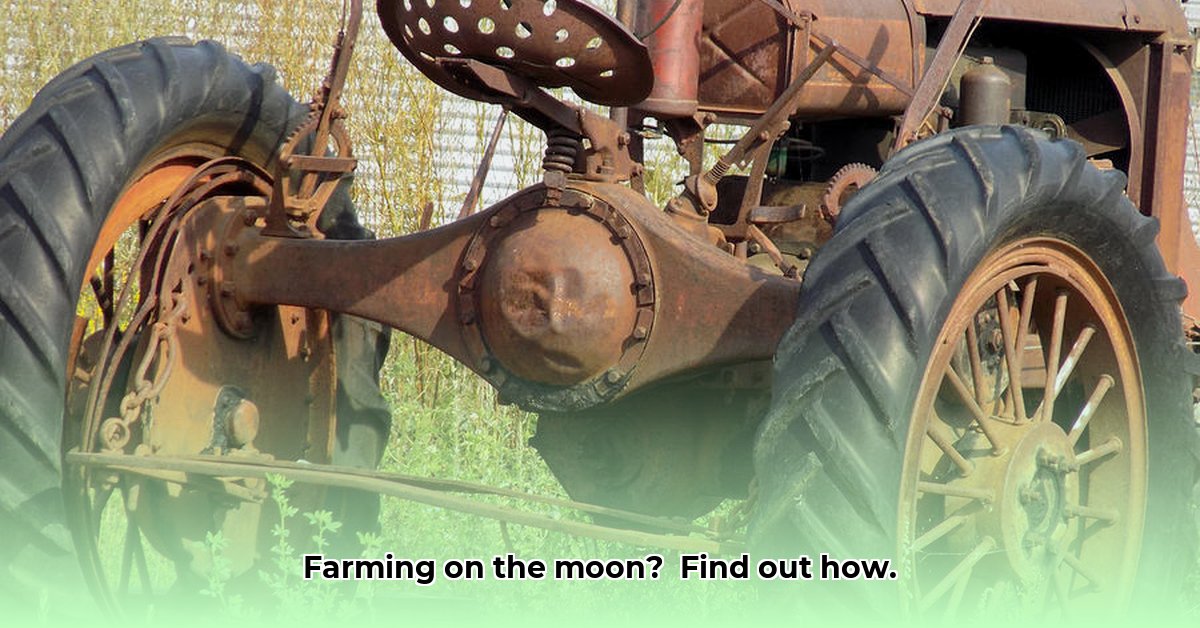
Is Moon Tractor a True Leader in Sustainable Agriculture?
Moon Tractor manufactures agricultural equipment. This automatically suggests a connection to sustainable agriculture—after all, efficient tools are essential for modern farming. However, simply selling equipment doesn't equate to actively promoting eco-friendly practices. This article examines Moon Tractor's claims, analyzes the available evidence (or lack thereof), and proposes actionable steps to clarify their role in sustainable agriculture. We will explore what they're doing, where the gaps in knowledge lie, and what steps are needed to ascertain their true impact. For more on small-scale sustainable farming equipment, check out this resource on trailers for garden tractors.
Key Insights:
- The connection between Moon Tractor's equipment sales and actual promotion of sustainable farming practices requires rigorous investigation.
- A significant lack of publicly available data hampers objective assessment of Moon Tractor's environmental impact.
- Actionable steps are needed from Moon Tractor, farmers, investors, and policymakers to promote transparency and drive progress toward sustainable agriculture.
Deconstructing the Assumption: Sustainable Farming Equipment vs. Sustainable Farming Practices
The premise that Moon Tractor is a significant player in sustainable agriculture warrants a thorough examination. While their business is inherently linked to farming, the evidence supporting their direct contribution to eco-friendly practices is currently insufficient. Do their tractors significantly reduce fuel consumption? Do they incorporate technologies minimizing resource waste? Do they actively promote sustainable farming methods beyond just selling their equipment? These crucial questions remain unanswered. Without concrete data, assumptions about their sustainability are unwarranted.
“Simply selling equipment doesn’t automatically equate to promoting environmentally friendly practices,” notes Dr. Anya Sharma, Agricultural Sustainability Expert at the University of California, Berkeley. “We need verifiable data to understand their actual impact.”
How can we be sure Moon Tractor's equipment truly contributes to sustainable practices? This question highlights the need for greater transparency and data-driven analysis.
Analyzing the Evidence: What We Know and Don't Know
Currently, specific data highlighting Moon Tractor's commitment to sustainability is limited. While their website may describe features like fuel efficiency, concrete data on emissions reductions, water usage comparisons, or life-cycle assessments remain elusive. This data gap prevents a comprehensive assessment of their contribution to sustainable agriculture.
A recent market study by the World Bank found a significant increase in demand for sustainable farming equipment. Could Moon Tractor capitalize on this trend by investing in transparently demonstrating its sustainability measures?
Actionable Steps: A Path Forward
The absence of readily accessible information necessitates a multi-faceted approach. Moon Tractor, farmers, investors, and policymakers all have a role to play in bridging the knowledge gap.
1. For Moon Tractor:
- Short-term: Conduct independent life cycle assessments of your equipment, publish detailed specifications on fuel efficiency and emissions, and highlight any partnerships with sustainable farming organizations.
- Long-term: Invest in R&D to develop genuinely sustainable technologies, establish robust internal metrics to measure progress towards sustainability, and actively engage with the broader sustainable farming community.
2. For Farmers and Agricultural Businesses:
- Short-term: Demand data-driven evidence before purchasing equipment; compare the cost-effectiveness of Moon Tractor's equipment with alternatives.
- Long-term: Monitor Moon Tractor's progress towards sustainability; factor environmental impact into equipment purchasing decisions.
3. For Investors:
- Short-term: Thoroughly assess Moon Tractor's environmental impact when making investment decisions; seek evidence of their commitment to sustainable practices.
- Long-term: Consider environmental and social factors alongside financial returns. Favor companies with demonstrable progress toward sustainability.
4. For Policymakers and Regulators:
- Short-term: Monitor the environmental impact of agricultural equipment; consider regulations promoting transparency and the adoption of sustainable technologies.
- Long-term: Develop policies incentivizing the development and adoption of sustainable agricultural technologies; mandate the disclosure of environmental data for agricultural equipment.
Closing the Knowledge Gap: Areas for Future Research
To comprehensively evaluate Moon Tractor’s contributions, future research should focus on:
- Independent life cycle assessments of their equipment.
- Comparative studies analyzing their equipment's sustainability against industry benchmarks.
- Analysis of the economic viability of Moon Tractor's equipment for different farming scales.
- Qualitative research exploring farmer experiences and perceptions of Moon Tractor's equipment and sustainability initiatives.
In conclusion, while Moon Tractor operates in a sector crucial to sustainable agriculture, conclusive evidence of their direct contribution remains elusive. Addressing the current data gap through concerted efforts from the company and stakeholders is critical for fostering a truly sustainable agricultural future.